24*7 Ambulance : +91 76187 37359   For Appointment Call : 0804 35 17700 , +91 7618 737 389 , 080 435 17 777


Knee Pain Isn’t Always “Just Age”:
When Should You See an Orthopaedic Doctor?


Koshys Hospital

07-10-2026


Responsive image

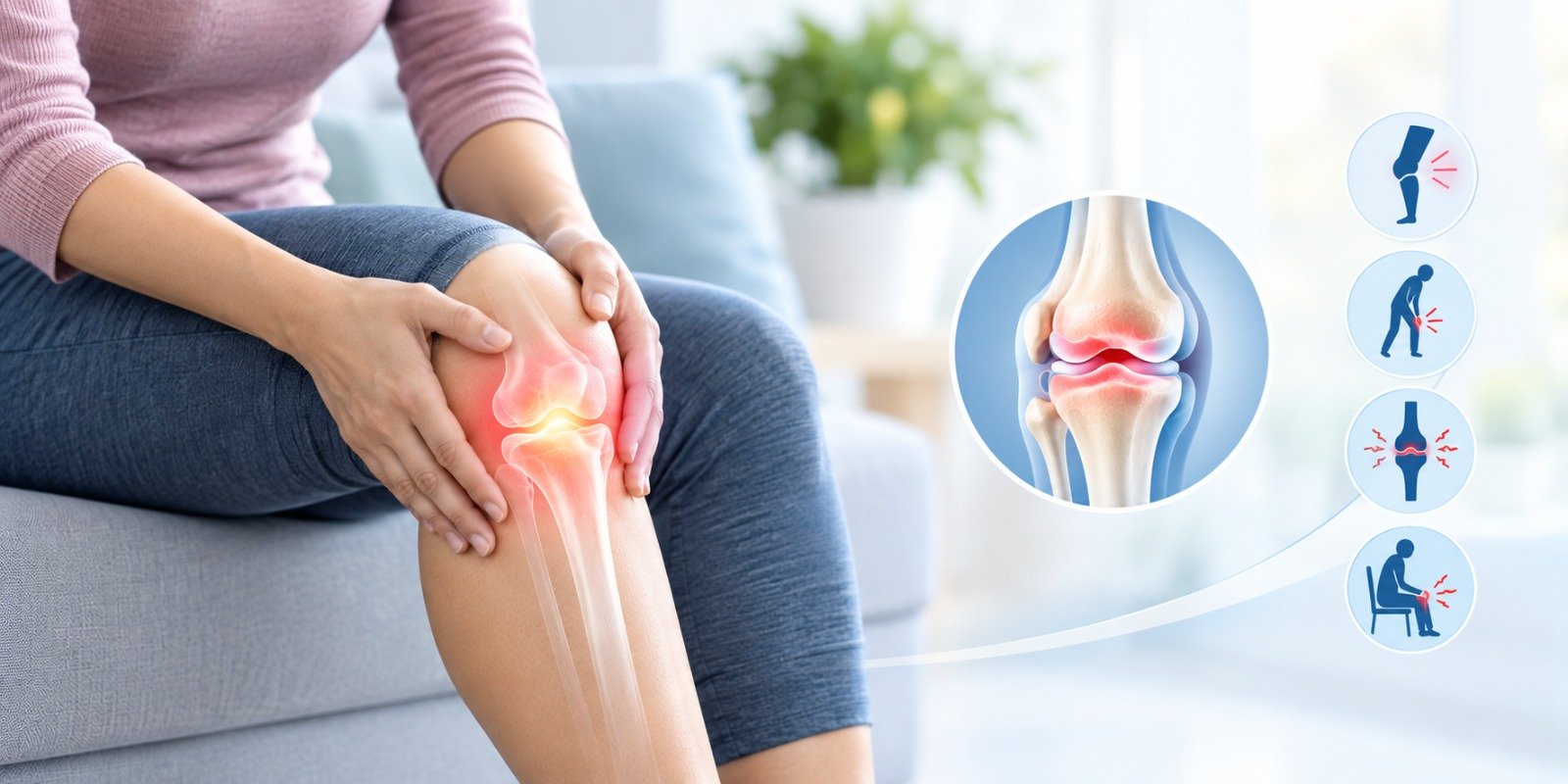
A little knee pain after a long day may seem harmless. Maybe you climbed too many stairs, walked a little more than usual, or simply feel that your knees are “getting older.”

But what if the pain keeps coming back?

What if your knee hurts every time you climb stairs, makes clicking sounds when you walk, or becomes swollen without any obvious injury?

These symptoms should not always be dismissed as a normal part of ageing.

Knee pain can have several causes — from arthritis and overuse to ligament injuries and other joint problems. Understanding when to monitor your symptoms and when to consult an orthopedic doctor in Ramamurthy Nagar can help you get the right treatment at the right time.

Why Does Knee Pain Happen?

Your knee is a complex joint that supports your body weight and helps you walk, climb, sit and stand. Because it is used so frequently, it can be affected by several conditions.

Some common causes include:

  • Osteoarthritis or age-related wear and tear
  • Ligament or meniscus injuries
  • Muscle weakness around the knee
  • Overuse or repetitive activity
  • Previous injuries
  • Inflammation of the joint
  • Certain inflammatory or medical conditions
  • Excess stress on the knee joint

The important thing is that knee pain does not have one single cause, which is why the right diagnosis matters.

Does Knee Pain While Walking Need a Doctor?

Occasional discomfort after unusual physical activity may improve with rest.

However, persistent or worsening pain while walking deserves attention.

You should consider consulting an orthopedic doctor in Ramamurthy Nagar if:

  • Knee pain continues for several days or keeps returning
  • Walking becomes uncomfortable
  • You find it difficult to stand up or sit down
  • Pain interferes with daily activities
  • The knee feels unstable or weak
  • There is persistent swelling
  • You are experiencing increasing stiffness
  • Your range of movement is becoming limited

Early evaluation may help identify the cause before the problem starts affecting everyday mobility.

Why Does Knee Pain Increase While Climbing Stairs?

Climbing stairs places additional demand on the muscles and knee joint.

If the cartilage has become worn, the muscles around the knee are weak, or there is another underlying joint problem, stair climbing may make symptoms more noticeable.

This is why knee pain while climbing stairs can be an important symptom to discuss with an orthopaedic specialist, particularly if it is persistent.

What If Your Knee Makes Clicking Sounds?

A clicking or popping sound does not automatically mean that something is seriously wrong.

Some people experience painless clicking as part of normal joint movement.

However, clicking accompanied by:

  • Pain
  • Swelling
  • Locking
  • Stiffness
  • Difficulty walking
  • A feeling that the knee is giving way

should be evaluated.

Your doctor may examine the knee and decide whether further investigation is required.

When Should You Get an X-ray for Knee Pain?

An X-ray may be recommended when your doctor wants to evaluate the bones and overall structure of the knee.

It can help identify changes such as:

  • Joint-space narrowing
  • Bone changes associated with arthritis
  • Certain fractures
  • Other structural abnormalities

However, an X-ray is not automatically required for every episode of knee pain.

The need for imaging depends on your symptoms, examination and medical history.

Is an MRI Always Needed for a Knee Injury?

No.

An MRI provides detailed images of soft tissues such as ligaments, tendons, cartilage and menisci. But not every knee injury requires an MRI.

Your orthopaedic doctor may first assess your symptoms and perform a physical examination. Depending on what is suspected, an X-ray or MRI may be recommended.

The goal is not to order every possible test — it is to choose the investigation that can answer the clinical question.

Knee Arthritis or Knee Injury: How Are They Different?

Knee arthritis is generally associated with changes within the joint that can develop over time. Pain and stiffness may gradually become more noticeable.

An injury, on the other hand, may occur after an accident, sports activity, sudden twisting movement or other trauma.

But symptoms can overlap.

That is why persistent knee pain should not be self-diagnosed simply as “arthritis” or “a minor injury.”

What About Knee Swelling Without an Injury?

Knee swelling without a clear injury can have several causes.

It may be associated with arthritis, inflammation, fluid accumulation or other joint conditions.

If swelling persists, repeatedly returns, or is accompanied by significant pain, warmth, redness, fever or difficulty moving the knee, medical evaluation is important.

Does Every Knee Problem Need Surgery?

Absolutely not.

Treatment depends on the underlying cause and severity.

Depending on the condition, treatment may include:

  • Activity modification
  • Medication when appropriate
  • Physiotherapy
  • Strengthening exercises
  • Weight-management advice where appropriate
  • Injections in selected cases
  • Minimally invasive procedures
  • Surgery when necessary

The right treatment is the one that addresses the actual cause of the problem.

When Should You See an Orthopaedic Doctor?

A simple rule is:

If knee pain is persistent, worsening or interfering with your normal life, don't simply live with it. Get it evaluated.

Early assessment can help determine whether the problem can be managed conservatively or whether further treatment is needed.

If you are looking for knee pain treatment in Ramamurthy Nagar or an orthopedic hospital in Ramamurthy Nagar, Koshys Hospital provides orthopaedic evaluation and treatment for a range of bone and joint conditions.

Takeaway

Your knees help you stay independent — walking, climbing stairs, travelling, working and enjoying everyday life.

So, persistent knee pain deserves more than “It must be age.”

Listen to your knees. Understand the cause. Get the right treatment.

Medical information in this article is for awareness and does not replace an individual consultation with a healthcare professional.

Leave a comment

Comments
James Hmm, This Post looks good